
Get started with PriceLabs now!
Want to learn what PriceLabs can do for you? See for yourself with a free trial. Get started now!

If you manage a handful of short-term rentals—whether it’s a family home turned holiday spot or a few investment properties—you’ve probably heard a lot of talk about vacation rental branding. Perhaps you assumed it was something only large companies or full-scale property managers needed to consider. After all, you’re already juggling bookings, cleanings, guest messages, and pricing—vacation rental brands LLC might feel like the least urgent thing on your plate.
But here’s the reality: the moment you list a property, you already have a brand. Whether you’re shaping it intentionally or letting it happen organically is up to you. Your photos, listing title, tone of communication, and even the amenities you offer—they all send a message. And if you take the time to craft that message with purpose, you’ll begin to see real benefits: better guest trust, higher rates, repeat bookings, and a more professional identity that stands out in crowded markets.
This guide covers both sides of that equation: how to build a brand guests remember, and whether forming an LLC makes sense for your rental business. Branding and legal structure are different decisions, but they tend to come up together as hosts get more serious about their rental.
Bonus: How to Become an Airbnb Host: The Complete Guide
Branding is more than a logo. It’s the total impression a guest forms about your property before, during, and after their stay. It’s how someone feels when they look at your listing, read your reviews, or remember their check-in experience.
When you think about vacation rental branding and. vacation rental brands LLC, consider these elements:
You don’t need to be flashy or clever. You just need to be clear and consistent.
Even if you only have one property, branding is worth your time. You’re not trying to compete with corporate vacation rental brands—you’re trying to become the preferred choice within your niche.
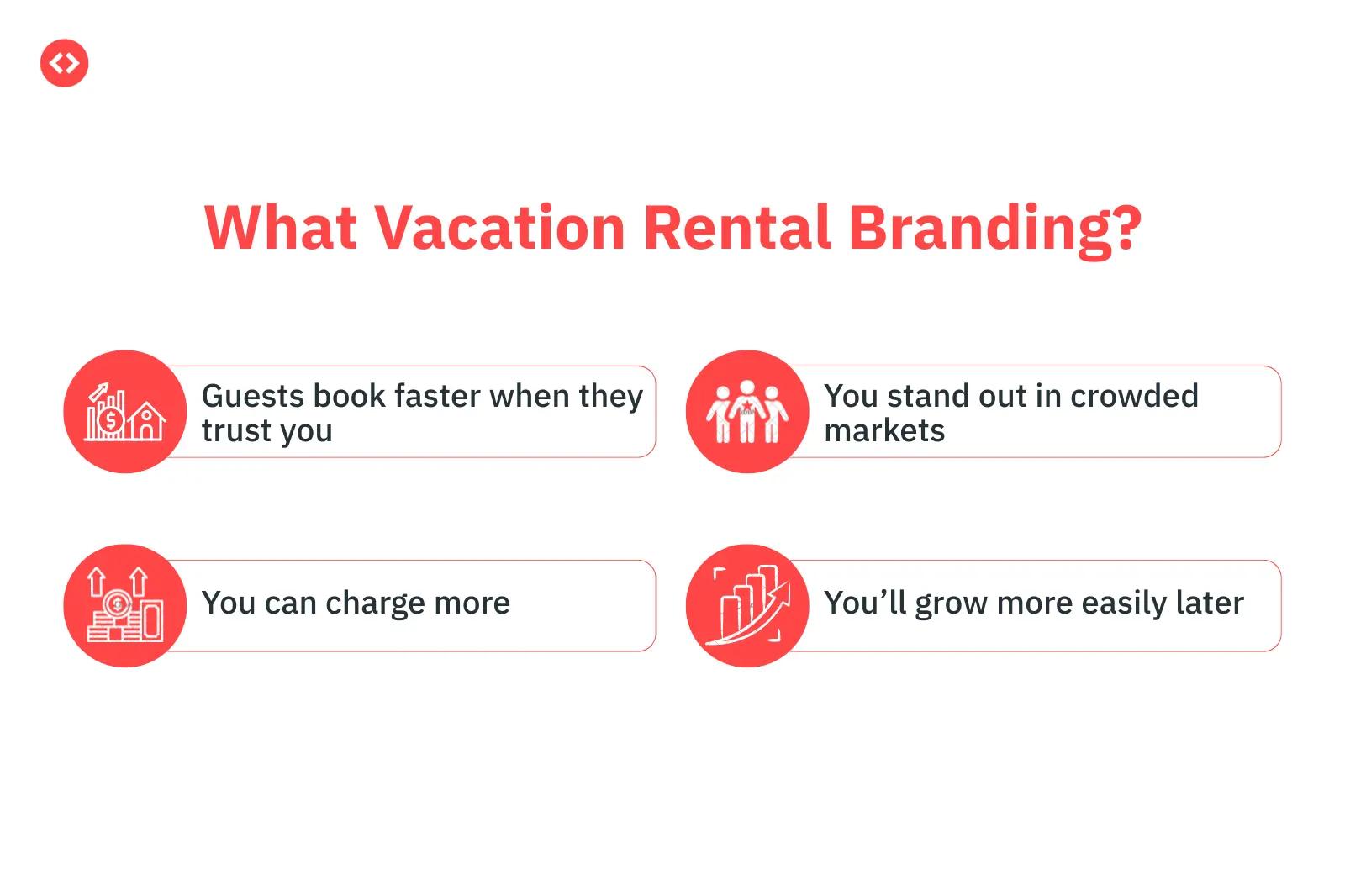
Here’s why branding pays off when you’re operating at a small scale:
Put simply, a clear brand makes your property easier to market, easier to trust, and easier to scale.
Choosing a vacation rental brand name isn’t about sounding fancy. It’s about being recognizable, easy to remember, and a good fit for your style and audience.
Here’s how to pick a name that works:
Examples:
Your brand name is the entry point to your entire guest experience—so make sure it reflects what you offer.
Not necessarily. A single rental run as a side project can operate as a sole proprietorship, though you'll have no separation between personal and business liability. Many hosts form an LLC once they add a second property or want a business bank account.
A sole proprietorship has no legal separation between you and your rental business, so your personal assets are exposed if something goes wrong. An LLC creates that separation and adds a layer of professionalism, at the cost of a filing fee and some ongoing paperwork.
Most states charge a filing fee between $50 and $200, plus an optional formation service fee if you don't want to file it yourself. Expect an additional annual or biennial report fee in most states, usually under $300.
They don't have to be identical, but they should be clearly related. Guests and vendors should be able to connect your legal business name to the brand they're booking with, especially once you start building a direct booking presence.
If you're planning to host long term, forming a legal business entity is a smart step. Many small hosts register an <strong>LLC (Limited Liability Company)</strong> because it separates personal and business finances and adds a layer of legal protection.
State filing fees for an LLC typically fall between $50 and $200, though they range as low as $35 in Montana and as high as $500 in Massachusetts. Filing your Articles of Organization yourself online usually takes 15 to 30 minutes, and most states process the paperwork within one to four weeks. A few states offer expedited filing for an extra fee if you need your LLC set up faster.
Beyond the initial filing, most states charge an ongoing annual or biennial report fee, generally between $0 and $300. A handful of states, including Arizona, Missouri, and Ohio, don't charge one at all. California is a notable outlier: on top of its filing fee, it charges an $800 annual franchise tax regardless of how much your rental earns, which is worth factoring in if you're hosting there.
Your federal EIN (the tax ID your LLC needs to open a bank account) is always free through the IRS website, so skip any formation service that tries to charge you for it.
You can register your LLC directly through your state's Secretary of State website, which is the cheapest route, or use a formation service like LegalZoom or Bizee to handle the paperwork for you. Either way, keep your public-facing brand name and your legal LLC name in sync, or at least clearly related, so guests and vendors don't get confused about who they're booking with.
If you're renting out a single spare room or a single property casually, alongside a full-time job, an LLC may be more structure than you need right now. Many hosts start as sole proprietors and form an LLC once they add a second property, start earning consistent income, or want to open a business bank account. There's no universal trigger point. It comes down to how much liability exposure and financial complexity you're comfortable managing.
Branding doesn’t stop at the booking. Every touchpoint a guest has with you—from messaging to check-out—affects how they remember your property.
To build a strong brand, focus on experience consistency:
Guests should know what to expect before they arrive and feel that every part of their stay matches what you promised online.
You don’t need to hire a designer to create a professional brand presence. There are plenty of free and affordable tools available to help you achieve a polished look.
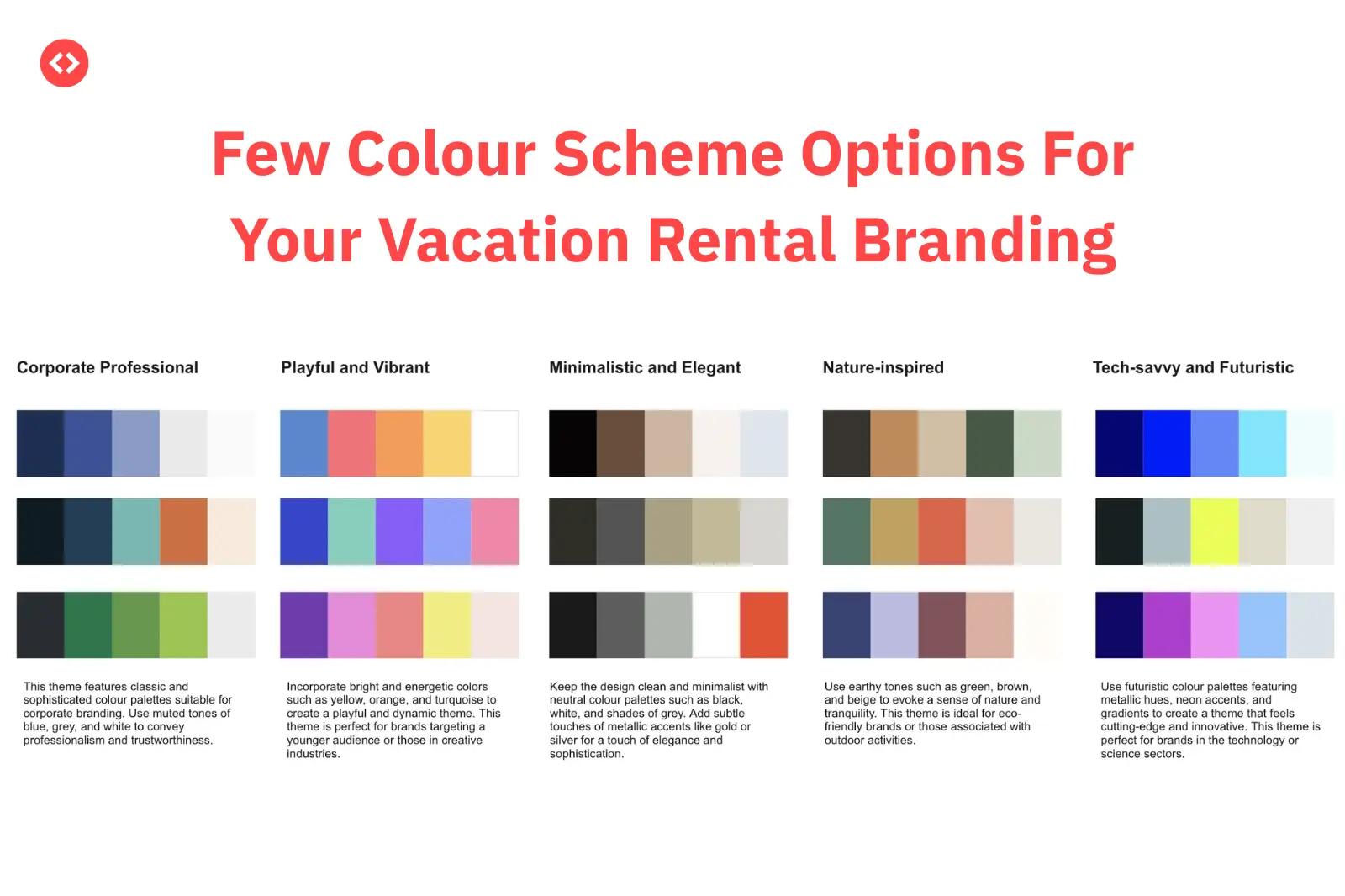
Apply your branding to:
You’re not just decorating—you’re building familiarity and trust.
If your brand lives only on Airbnb, you’re always playing by someone else’s rules. Creating even a basic online presence helps you build a more direct connection with guests—and makes your brand feel real.
Here’s how to start:
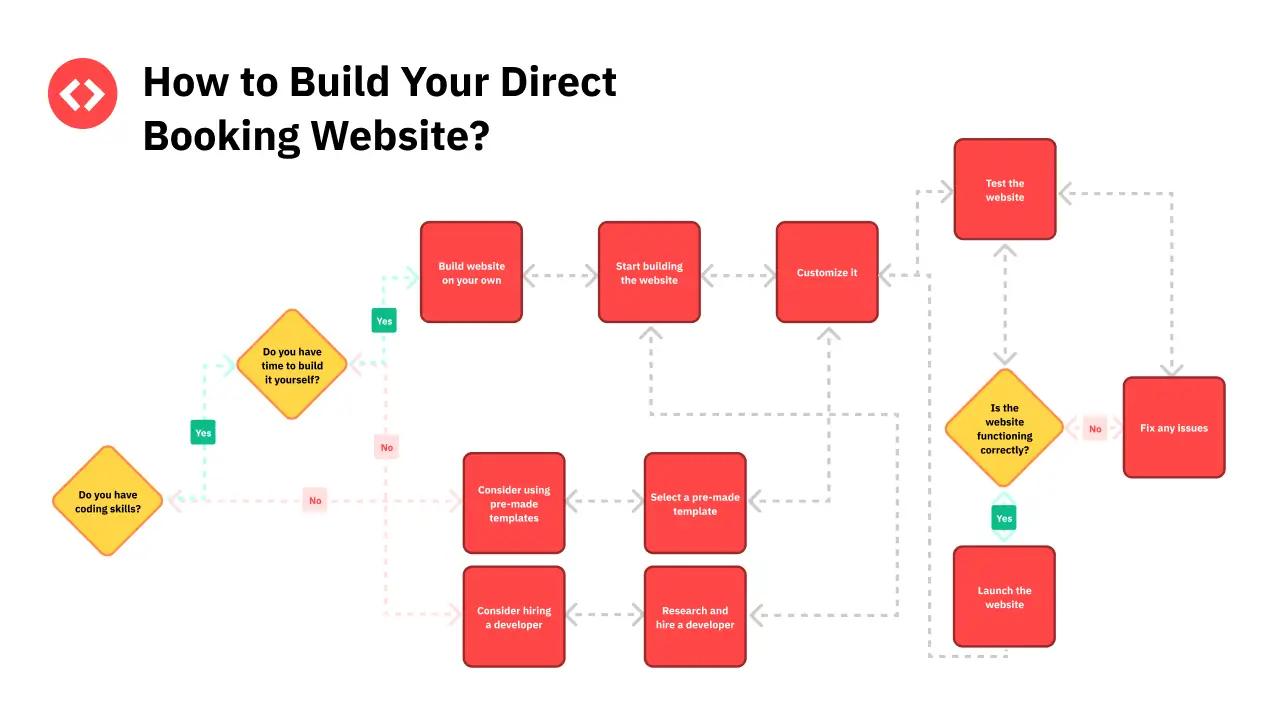
Even if you never go fully independent, having a presence beyond Airbnb gives you more control over your brand.
You don’t need a separate website to start branding. There are ways to strengthen your brand right within Airbnb, Vrbo, or Booking.com.
Consistency across platforms reinforces your identity and helps guests remember you long after checkout.
Your pricing strategy is just as important to your brand as your decor or name. Guests make assumptions about your property based on what you charge—and inconsistent pricing can confuse or turn them off.
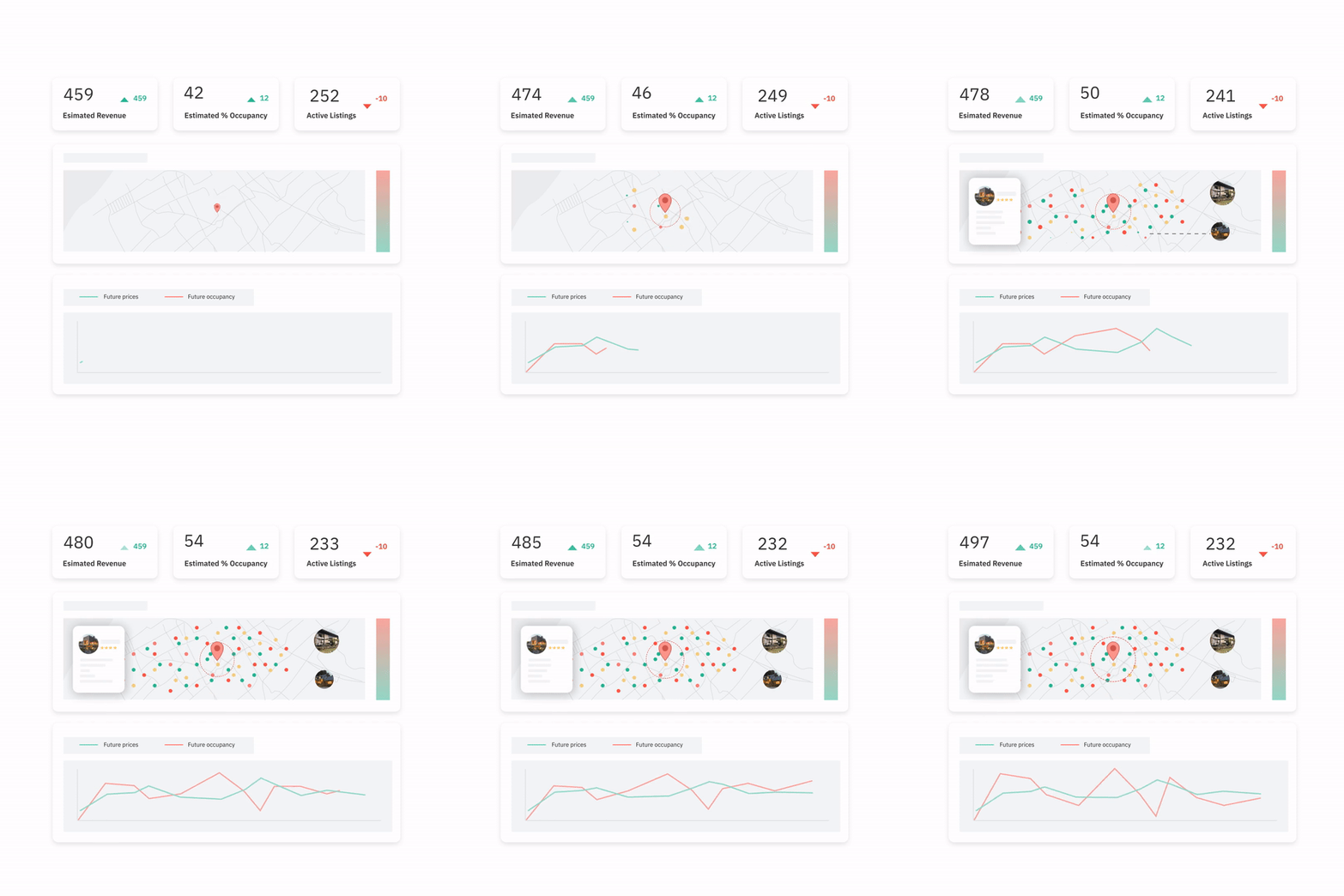
When your rates align with your brand quality, you attract the right guests and avoid unnecessary discounts.
Branding helps you scale without losing what makes your hosting special.
Once you’ve built a brand, you can:
Every listing you add under the same brand becomes easier to manage—and more powerful in the market.
Building a vacation rental brand isn’t about going big—it’s about being intentional. You don’t need five listings or a marketing team to stand out. You just need clarity about who you are, what your property offers, and how you want guests to feel when they book with you.
Start small. Be consistent. And most importantly, make sure everything you do—from your listing title to your welcome message—reflects the kind of host you are and the kind of experience you’re offering.
A good brand doesn’t just help you get bookings. It helps you build something sustainable.
It depends on your city and state. Most areas require a short-term rental permit or business license regardless of your entity type, and an LLC is a separate, optional step for liability protection. Check your local regulations first, since permit requirements are enforced more strictly than entity structure.
Search the name on Google, check domain availability, and confirm it isn't already registered as a business in your state. A quick trademark search through the USPTO database is also worth doing if you plan to expand beyond one property.
Yes. Branding isn't about the number of properties you own, it's about being consistent and recognizable. A single well-branded listing can out-perform a larger portfolio of generic ones, especially in a crowded market.
It can. A clear brand shifts how guests evaluate your listing, from "what's the cheapest option" to "does this look worth it," which supports higher rates without necessarily driving down bookings. The effect is strongest when your pricing strategy matches the quality your brand promises.
You can do the basics for free or under $50 using tools like Canva for a logo and Linktree for a simple landing page. Costs go up if you add a direct booking website or hire a designer, but neither is required to start.
Operating under a distinct brand is one part of proper business setup — see our broader guide to Airbnb business licensing.
Want to learn what PriceLabs can do for you? See for yourself with a free trial. Get started now!